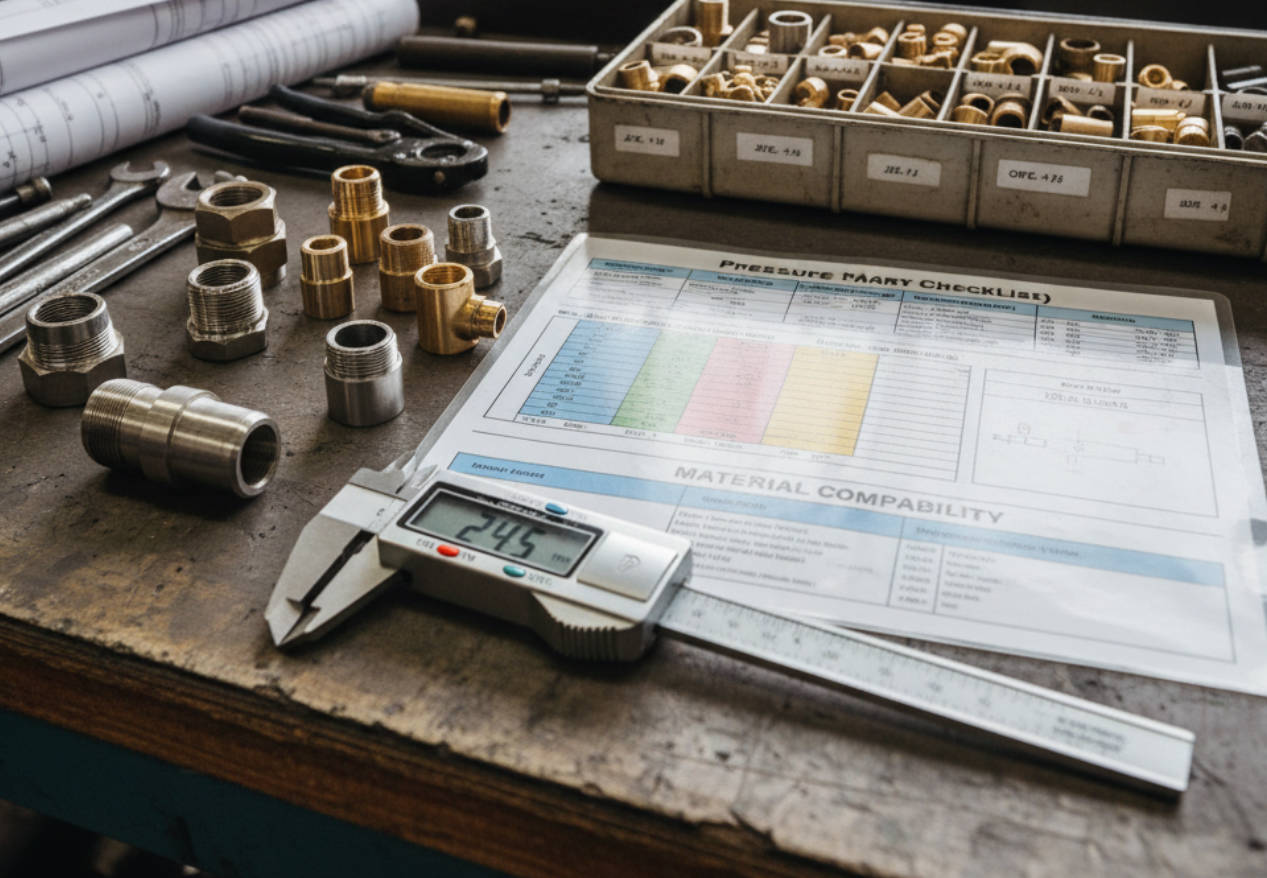
A plaster casting hydraulic fitting can help when a buyer needs a complex non-ferrous prototype, a short trial run, or a smoother surface than basic sand casting can usually provide. For B2B purchasing teams, the key question is not only whether plaster casting can make the shape. The real question is whether the final fitting can meet material, thread, sealing, inspection, packaging, and sourcing requirements.
This guide explains how distributors, importers, repair companies, and equipment manufacturers can review plaster casting before approving samples or comparing suppliers.
What Is a Plaster Casting Hydraulic Fitting?
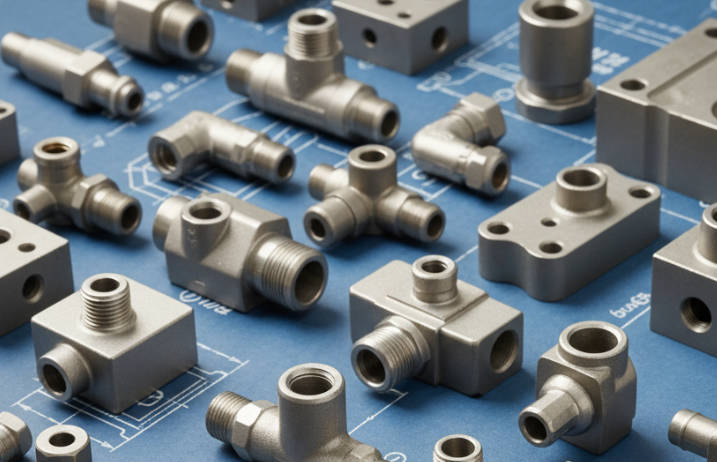
Plaster casting, also called plaster mold casting, uses a gypsum-based mold to form metal components with fine surface detail. In hydraulic parts, buyers may consider it for prototypes, housings, manifolds, adapters, or fitting bodies that need a complex shape before another production method is selected.
However, a cast shape is only one part of a hydraulic fitting. The supplier still needs to control machining, threads, sealing faces, cleanliness, and inspection. Therefore, buyers should treat plaster casting as a forming method, not as a complete quality guarantee.
When Buyers Usually Consider It
- Prototype review: The engineering team needs a physical hydraulic fitting prototype before final tooling.
- Low-volume demand: The order quantity may not justify expensive permanent tooling.
- Complex geometry: The part includes contours, bosses, or flow passages that need a cleaner cast surface.
- Design validation: The buyer wants to check fit, machining allowance, and sealing layout.
1. Confirm the Base Material Before You Compare Prices
The first check is material. Plaster casting normally suits non-ferrous metals, while many high-pressure hydraulic fittings use steel, stainless steel, or brass depending on the application. As a result, buyers should confirm whether the target material can be cast by this method and whether later machining or another process is a better fit.
For procurement teams, the material decision should come before price comparison. Material affects corrosion resistance, thread strength, sealing reliability, and surface treatment. If your application needs zinc plating, nickel plating, stainless steel, or another finish, ask how the casting and machining route will support that requirement.
| Buyer Check | Why It Matters | What to Ask |
|---|---|---|
| Material grade | Controls strength, corrosion behavior, and machining response | Which alloy or material standard will be used? |
| Surface treatment | Protects the fitting during storage and service | Which finish is available for this material? |
| Machining allowance | Protects thread and seal accuracy after casting | Which surfaces will be CNC machined after casting? |
| Application pressure | Impacts whether casting is suitable at all | Can the supplier review working pressure and safety margin? |
2. Review Thread and Connection Standards Early
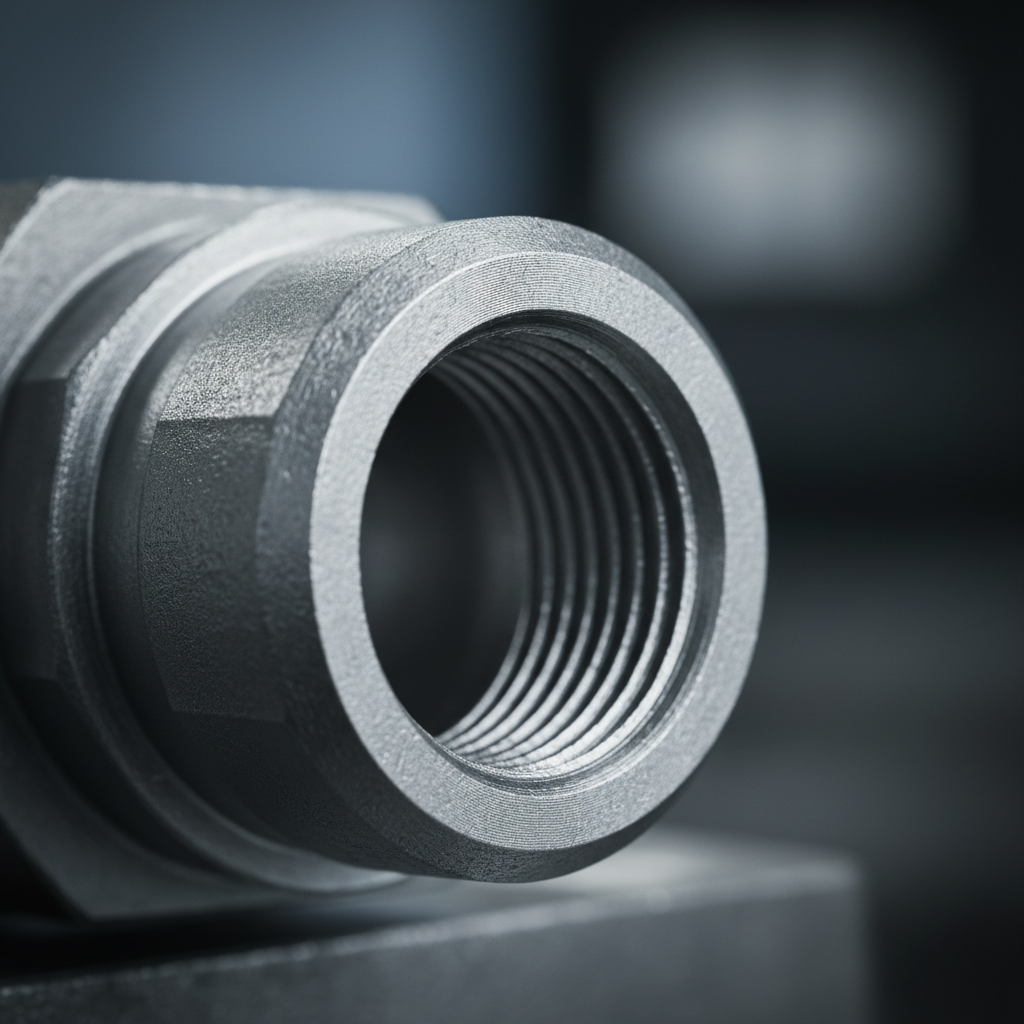
A plaster casting hydraulic fitting still needs accurate connection geometry. Buyers should confirm thread type, port form, sealing method, and mating component before approving a sample. Common hydraulic connection reviews may include JIC, ORFS, BSP, NPT, metric, SAE, and other regional standards.
In most hydraulic applications, suppliers should machine critical threads and sealing faces after casting. This helps control leakage risk and improves repeatability. For related selection details, review TOPA’s guide to JIC and ORFS hydraulic fitting standards.
- Confirm male or female thread type and size.
- Confirm whether the seal uses a cone, O-ring, washer, flare, or flat face.
- Confirm which dimensions require CNC machining.
- Confirm inspection tools for thread gauges and sealing faces.
3. Check Surface Finish Without Ignoring Leakage Risk
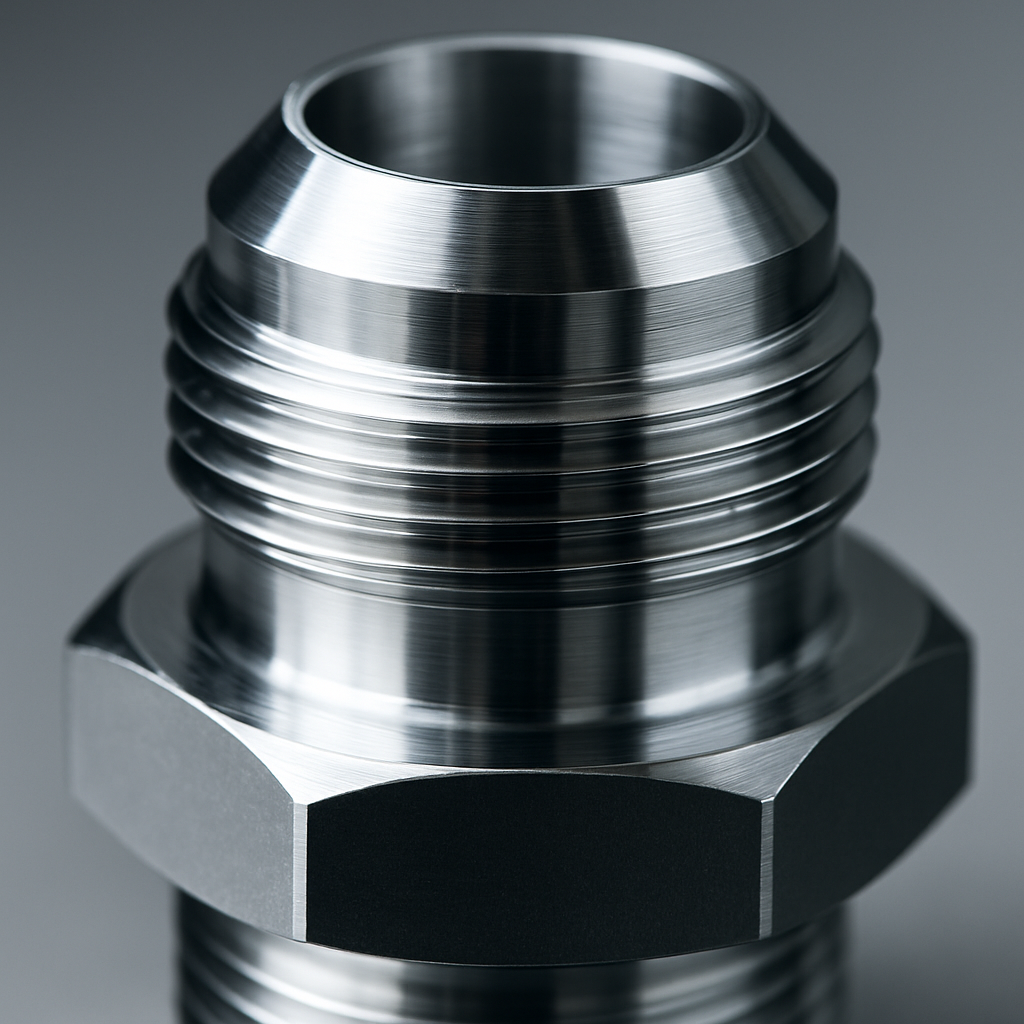
Plaster casting is often chosen because it can produce a smoother cast surface than many basic sand casting routes. Even so, hydraulic fittings need more than a good-looking surface. They need sealing areas, threads, shoulders, and ports that match the drawing and the connected hose assembly or equipment port.
Therefore, ask which surfaces will remain as-cast and which surfaces will be machined. Also ask how burrs, chips, and residues will be removed before packaging. Cleanliness matters because hydraulic systems can suffer damage when contamination enters pumps, valves, or cylinders.
4. Match the Fitting to Hose, Tube, and Equipment Compatibility
Compatibility should drive the sourcing decision. A fitting that looks correct can still fail if it does not match the hose size, tube OD, port standard, sealing style, or working pressure. For this reason, buyers should provide drawings, mating part information, and application conditions whenever possible.
If your project involves multiple fitting types, compare dimensions against TOPA hydraulic fitting product options and prepare a clear RFQ package. A complete inquiry helps the supplier identify whether plaster casting, machining, forging, or another production route is more suitable.
| Compatibility Item | Buyer Should Confirm | Risk If Ignored |
|---|---|---|
| Thread standard | JIC, ORFS, BSP, NPT, metric, SAE, or project-specific thread | Assembly mismatch or leakage |
| Seal type | O-ring, cone, flare, washer, or flat face | Poor sealing under pressure |
| Material pairing | Fitting material and mating component material | Corrosion or wear issues |
| Working pressure | System pressure and duty cycle | Wrong production process or safety risk |
5. Ask for a Practical Quality Inspection Plan
Inspection should cover both the cast body and the machined features. At minimum, buyers can ask how the supplier checks dimensions, threads, surface condition, burr removal, and visual defects. If the fitting will face demanding pressure or safety conditions, ask which tests are suitable for the application.
- Incoming material: Confirm material grade and traceability method.
- Dimensional inspection: Check ports, thread depth, sealing faces, and critical OD/ID dimensions.
- Surface review: Look for porosity, cracks, burrs, dents, and plating defects where applicable.
- Cleanliness and packing: Protect machined surfaces and keep threads free from damage during transport.
6. Compare Plaster Casting With Other Production Routes
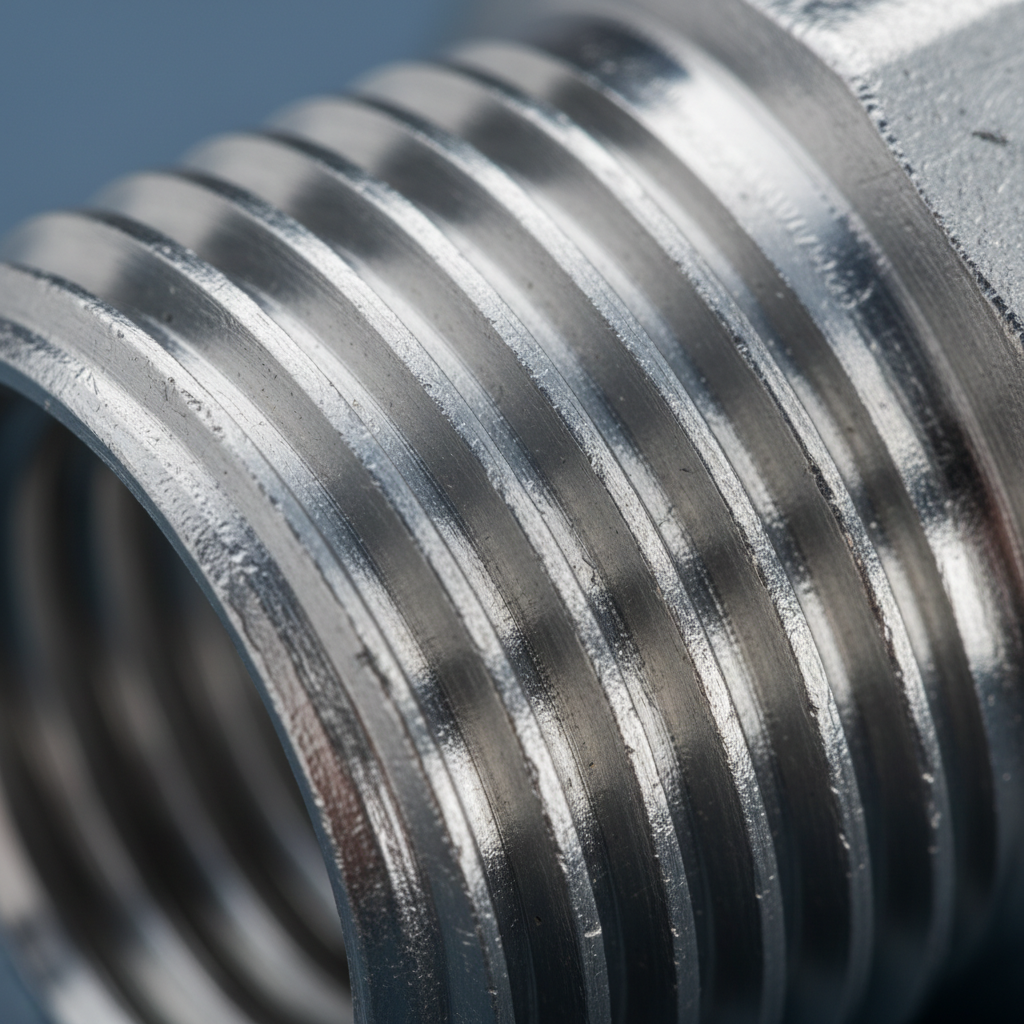
Plaster casting is not the best route for every hydraulic fitting. In some cases, CNC machining, forging, investment casting, or die casting may provide a better balance of pressure capability, cost, quantity, and repeatability. Because of that, buyers should compare the production method against the order stage and technical risk.
| Production Route | Best Fit | Buyer Watchpoint |
|---|---|---|
| Plaster casting | Complex non-ferrous prototypes or low-volume parts | Confirm material limits and machining plan |
| CNC machining | High-accuracy threads, ports, and small batches | Check material waste and unit cost |
| Forging | Stronger fitting bodies and higher-volume demand | Tooling and MOQ may be higher |
| Die casting | Repeatable high-volume non-ferrous parts | Tooling cost and design freeze matter |
7. Prepare a Clear RFQ for B2B Sourcing
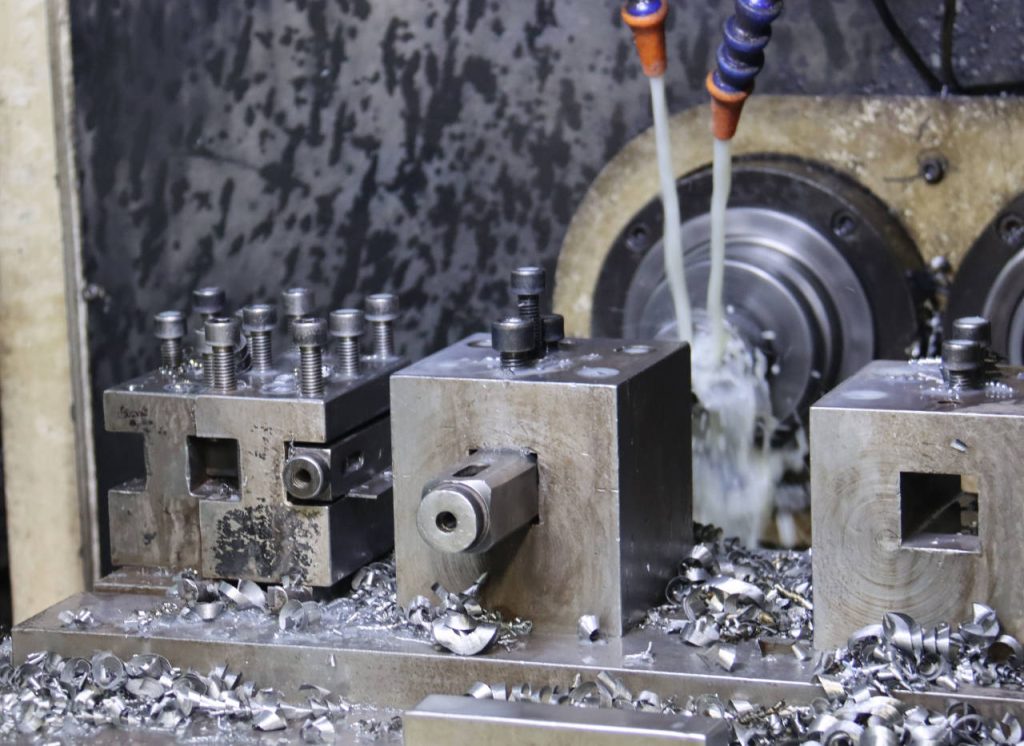
A clear RFQ saves time for both the buyer and the supplier. Before requesting a price, prepare the drawing, material requirement, surface treatment, thread standard, quantity range, packaging expectation, and inspection needs. Also state whether the project is a prototype, trial order, repair replacement, or repeat production item.
For customization, ask the supplier to confirm what information they need before quoting. For MOQ, production lead time, and after-sales support, request written confirmation based on the actual drawing and quantity. This keeps the purchasing conversation accurate and avoids assumptions.
| RFQ Item | Recommended Information |
|---|---|
| Drawing or sample | 2D drawing, 3D file, or sample photos with key dimensions |
| Connection standard | Thread type, sealing style, and mating part details |
| Material and finish | Required material grade and surface treatment |
| Quantity plan | Prototype quantity, trial batch, and expected repeat demand |
| Inspection needs | Critical dimensions, pressure-related checks, and packaging requirements |
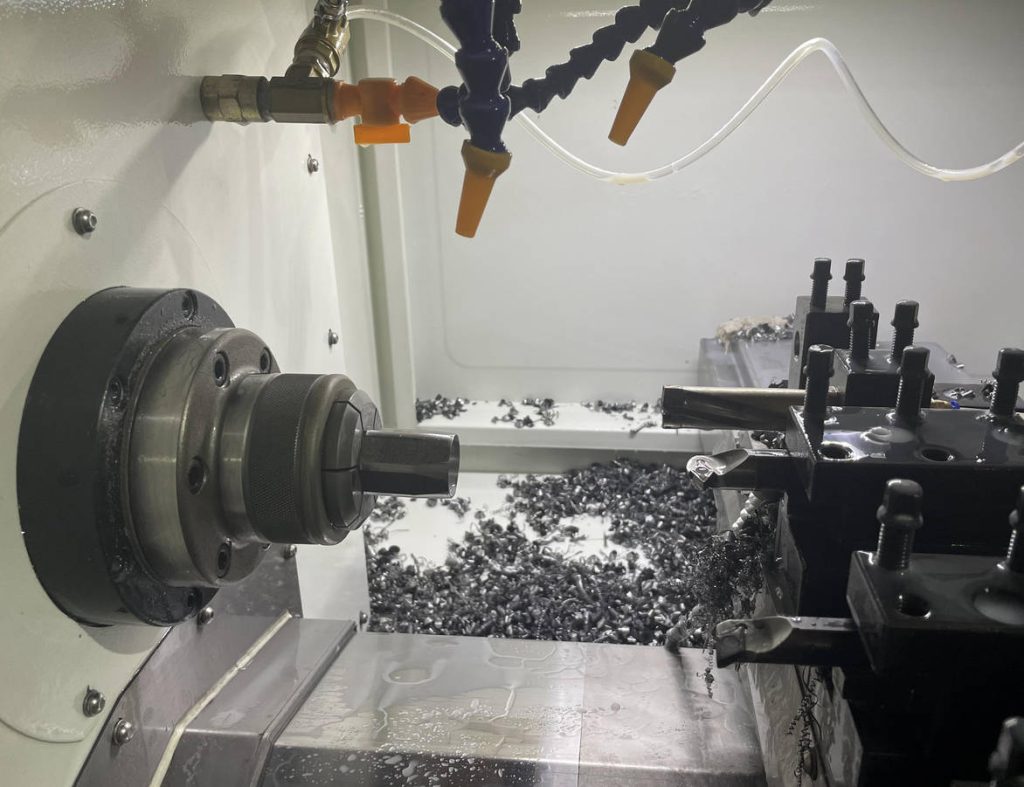
If you need help reviewing a drawing or sourcing route, send your requirements through the TOPA hydraulic fitting inquiry page. You can also review TOPA custom hydraulic fitting support before preparing your RFQ.
Common Mistakes to Avoid
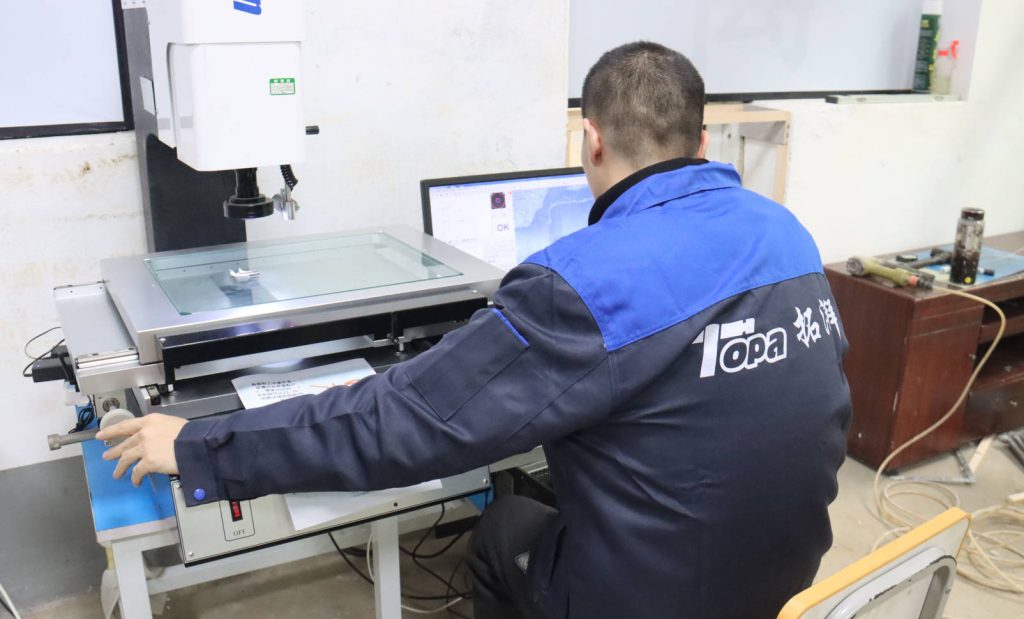
- Choosing by casting method only: Always review pressure, material, thread, and sealing requirements.
- Skipping machining discussion: Threads and sealing faces often need CNC machining after casting.
- Using vague drawings: Missing tolerances can cause delays, rework, or assembly problems.
- Ignoring packaging: Poor packing can damage threads, plating, and sealing surfaces during transport.
- Assuming lead time: Confirm sample time and production time for the actual drawing, material, and quantity.
FAQ About Plaster Casting Hydraulic Fittings
Is plaster casting suitable for every hydraulic fitting?
No. It can suit some non-ferrous prototypes or low-volume parts, but many hydraulic fittings need other production routes. The buyer should confirm material, working pressure, thread standard, and inspection needs first.
Should threads be cast or machined?
For hydraulic sealing reliability, buyers usually prefer CNC machined threads and sealing faces. Casting may form the general body shape, while machining controls the critical connection features.
What should I send to a supplier for quotation?
Send drawings, material requirements, surface treatment, thread standard, quantity range, inspection needs, and application details. If available, include mating part information and photos of the current assembly.
How can buyers reduce leakage risk?
Confirm the connection standard, seal type, machined dimensions, surface finish, and cleanliness process. In addition, ask which inspection steps match your drawing and working conditions.
Conclusion
A plaster casting hydraulic fitting can support prototype and low-volume sourcing work when the material, machining, thread, sealing, and inspection plan are clear. However, buyers should not choose the process by surface finish alone. Start with the application, confirm compatibility, review leakage risks, and ask the supplier to document what they can verify before production.
For B2B buyers, the best result comes from a complete RFQ and a practical engineering review. That approach helps distributors, importers, repair teams, and OEM purchasers compare suppliers with fewer assumptions and better technical control.